How to Choose the Right Flowline Valve
The right flowline valve starts with the job it needs to do: isolate the line, prevent reverse flow, protect against a configured overpressure condition, or create a fixed restriction.
What Job Does a Flowline Valve Need to Perform?
The first question is simple: what does the valve need to do at this point in the flowline? Its function matters more than its shape, handle, or connection style.
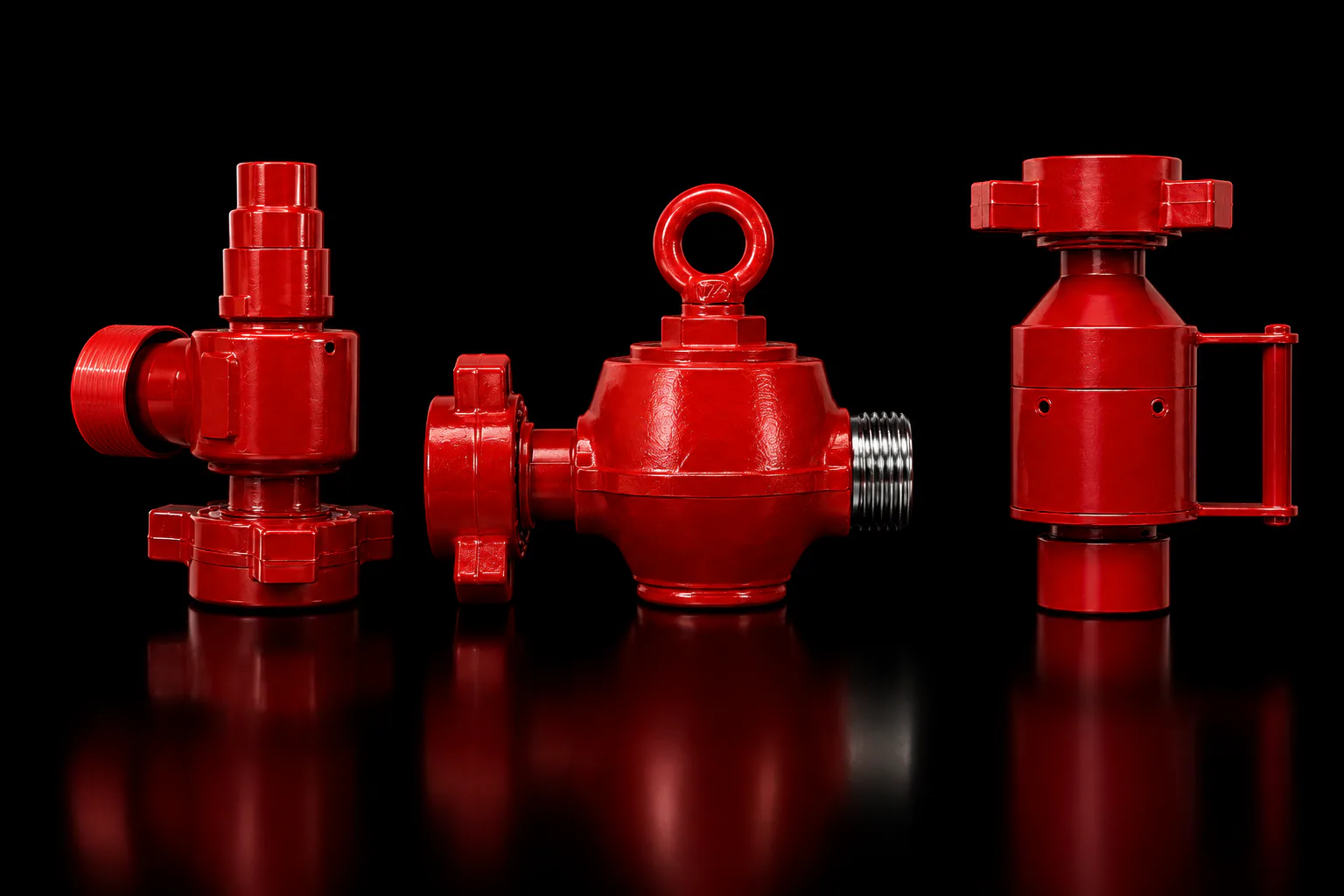
Some positions need a valve that can fully open or isolate the line. Others need automatic protection when flow reverses, a response at a specified pressure, or a fixed restriction that controls the flow path. Those are four different jobs, even when the valves have similar red iron connections and sit in roughly the same amount of space.
The required function usually points to the product family. Flow direction, connection arrangement, pressure class, materials, service class, and valve-specific details then narrow it to the configuration that fits the assembly.
Before comparing valve styles, describe the job in one sentence: isolate the line, prevent reverse flow, relieve a configured overpressure condition, or create a fixed restriction.
Which Valve Type Matches Each Flowline Function?
The table separates the four basic valve functions. It keeps isolation, reverse-flow protection, overpressure protection, and fixed restriction from being treated as interchangeable jobs.
| Required function | Valve family | How it responds |
|---|---|---|
| Full-open or closed isolation | Plug valve | A ported plug makes a quarter-turn between an open position aligned with the bore and a closed position across the bore. |
| Automatic reverse-flow protection | Flapper, swing, or dart check valve | Forward flow opens the closing element; stopped or reverse flow returns the element toward its seat. |
| Configured overpressure protection | Pressure release valve | The valve opens above its specified set pressure and reseats after the overpressure condition is relieved. |
| Fixed flow restriction | Target choke valve | Flow passes through a selected fixed orifice and strikes a replaceable target that absorbs concentrated erosive energy. |
Function determines the valve family, while the assembly determines the details. Check valves require the correct flow direction and connections. Pressure release valves require a specified set pressure and proper relief path. Target chokes require a fixed restriction suited to the operating condition.
When Is a Plug Valve the Right Choice?
A flowline plug valve is built around a rotating, ported plug. With the port lined up with the bore, flow has a straight path through the valve. A quarter-turn moves the plug across the bore and closes that path.
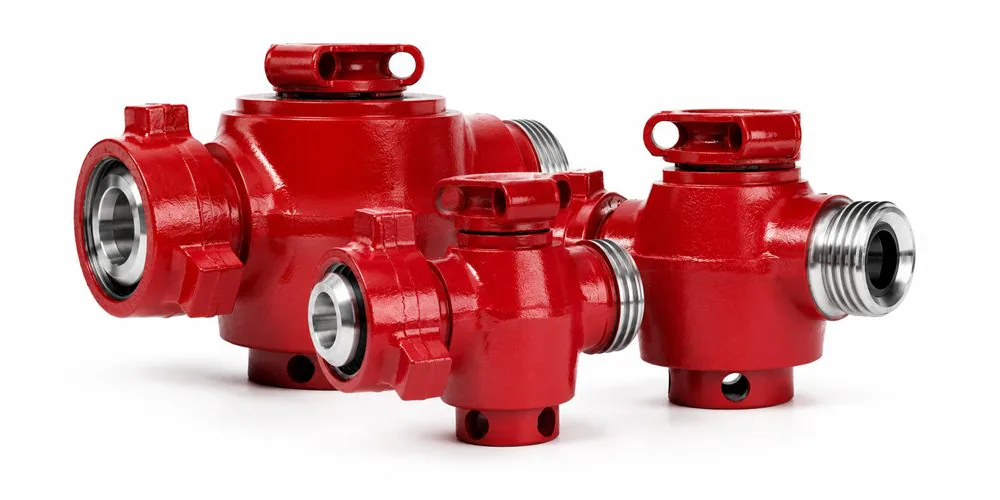
That makes a plug valve the logical family when the line needs a clear open position and a definite closed position. The fact that it is manually operated is not enough by itself. What matters is whether the position truly calls for full-open or closed isolation.
Available configurations include 2 x 1, 2 x 2, 3 x 3, and 4 x 4 inches. Size is only one part of the specification, though. Pressure class, trim, end connections, operating torque, and service class still have to match the assembly.
A standard plug valve is meant for full-open or closed isolation. Do not use it for uncontrolled throttling unless it has been specifically configured for that service.
How Does a Check Valve Prevent Reverse Flow?
A check valve works automatically and only in the intended flow direction. Forward flow moves the closing element away from its seat. When that flow stops or tries to reverse, the element moves back toward the seat and closes the path. There is no handle or outside actuator involved in that response.
Flapper, swing, and dart check valves all provide reverse-flow protection, but the internal mechanism is different in each one. Choosing the mechanism is only part of the job. You still need to confirm the installed direction, inlet and outlet, connection arrangement, pressure class, and service conditions.
How Does a Flapper Check Valve Work?
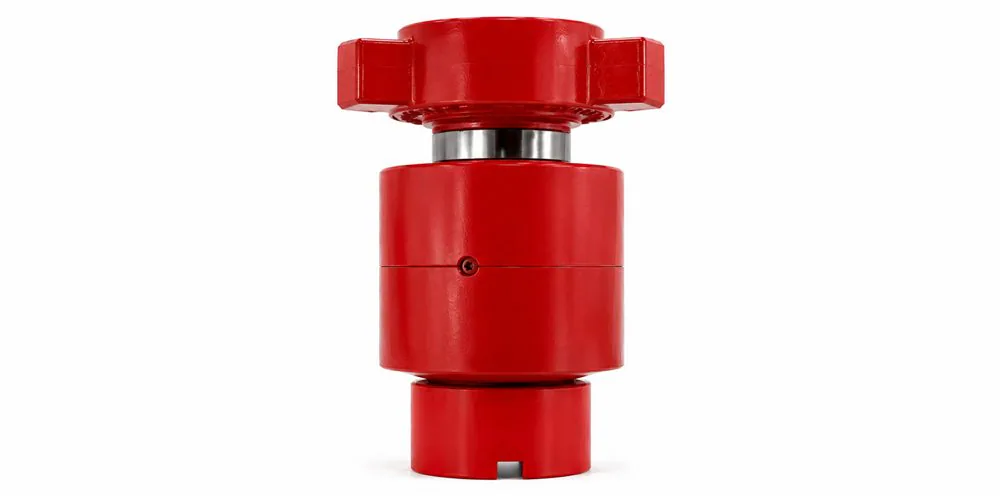
A flapper check valve uses a compact hinged flapper. Forward flow pushes it away from the seat. When flow stops or reverses, the flapper comes back to the seat and limits reverse flow through the assembly.
How Does a Swing Check Valve Work?
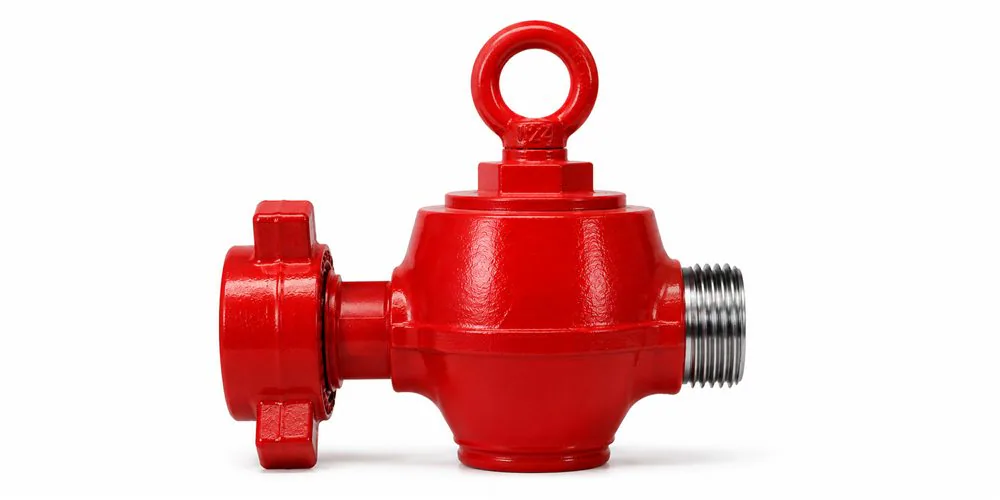
A swing check valve uses a hinged closure that swings out of the flow path. When forward flow is lost, the closure swings back toward its seat.
How Does a Dart Check Valve Work?
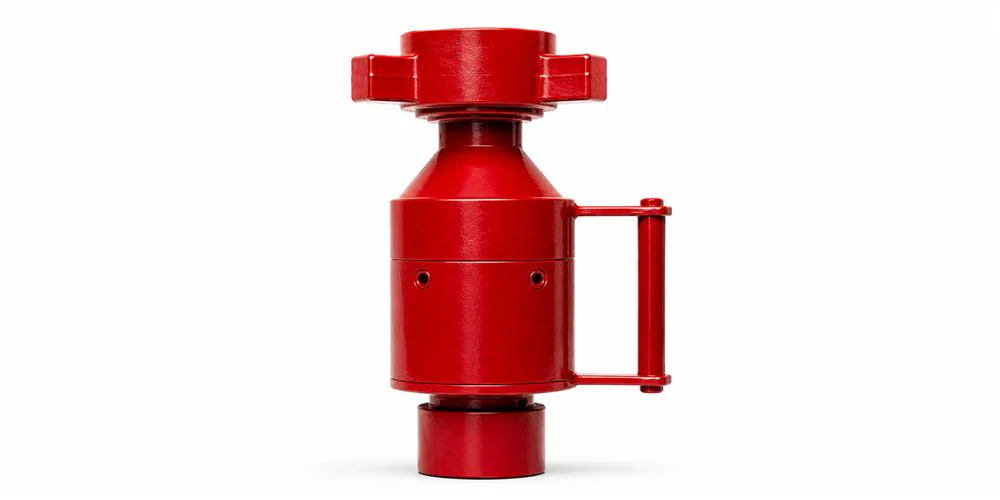
A dart check valve uses an axially guided dart and seat. Forward differential pressure lifts the dart away from the seat. If that pressure is lost or reverses, the dart returns toward the seat and closes the flow path.
There is no blanket rule that makes one check-valve mechanism right for every layout. Choose between flapper, swing, and dart designs based on the complete flowline arrangement and the directional response the system requires.
When Is a Pressure Release Valve Required?
A pressure release valve watches inlet pressure, not flow direction. When inlet pressure rises above the specified set pressure, the valve opens and sends relieved flow through its outlet. After the overpressure condition is cleared, the valve reseats automatically.
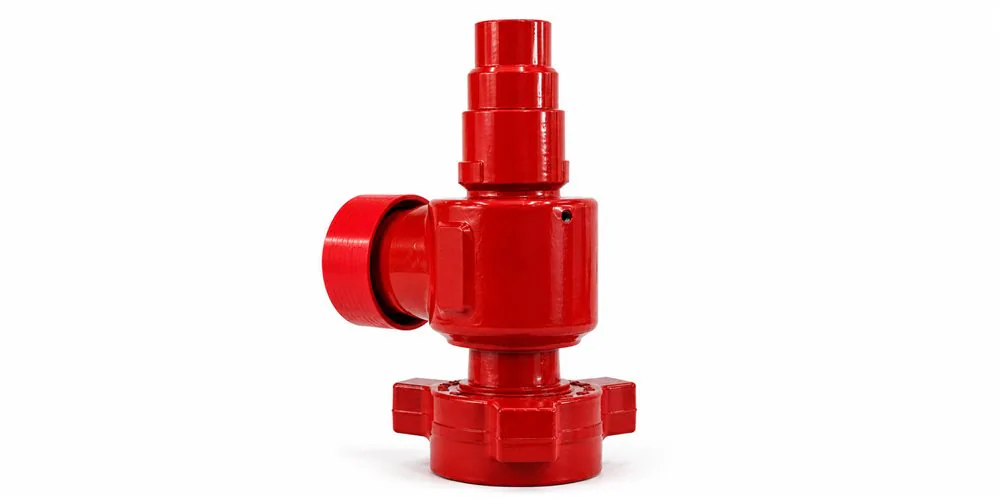
That is the key difference. A plug valve is deliberately opened or closed. A check valve reacts to flow direction. A pressure release valve reacts when pressure reaches a configured threshold.
To specify one correctly, you need the required set pressure and an approved discharge route. The outlet is not just another connection. It has to carry relieved flow along the path established for the application. Pressure class, materials, and end connections also have to be confirmed.
When Should a Target Choke Valve Be Used?
A target choke valve sends flow through a selected fixed orifice and into a replaceable target. The target takes the concentrated erosive energy, while the bean or orifice size sets the restriction for the operating condition.
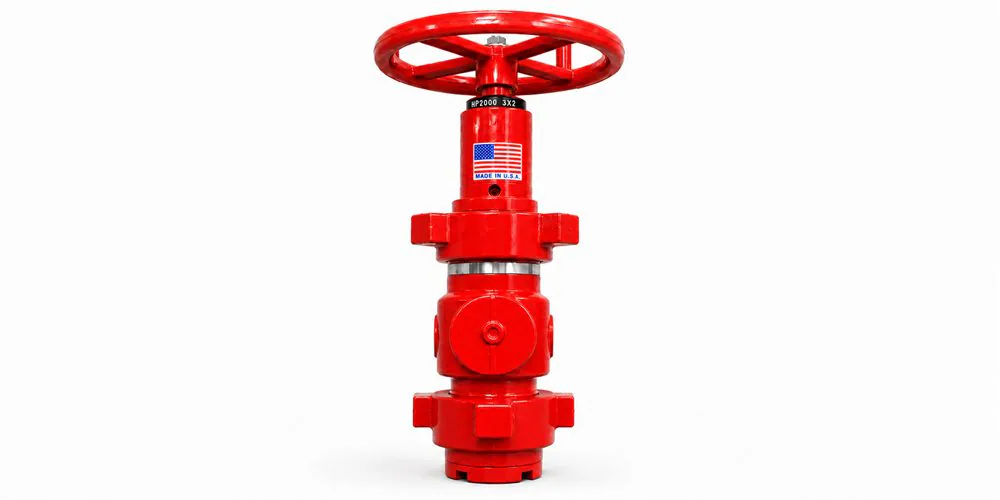
Restricting flow is not the same as shutting off the line. A target choke manages restriction and pressure energy. It is not a positive isolation valve, so any required shutoff function has to be handled separately.
The final configuration depends on the required restriction, fluid conditions, service expectations, pressure class, trim, materials, and connections. Knowing that you need a target choke gets the discussion started. Those operating details determine which configuration belongs in the assembly.
How Do You Choose the Right Flowline Valve?
A consistent selection order keeps the valve's function clear before connection and configuration details enter the discussion.
- Define the operating function. Start by stating whether the position needs isolation, automatic reverse-flow protection, configured overpressure protection, or a fixed-orifice restriction.
- Identify what makes it respond. A plug valve moves through deliberate quarter-turn operation. A check valve reacts to flow direction. A pressure release valve reacts to a set-pressure threshold. A target choke creates the selected fixed restriction.
- Place it in the assembly. Confirm flow direction where it applies, then identify the mating connection at each end.
- Confirm the remaining requirements. Provide pressure class, materials, service conditions, and any valve-specific inputs such as set pressure, discharge routing, or the required restriction.
For example, saying “prevent flow from returning toward the pump when forward flow stops” clearly points to a check-valve function. It does not yet tell you whether the mechanism should be flapper, swing, or dart, and it does not settle the connections or pressure class. Those choices come next, after the required response is understood.
What Information Is Needed for a Valve Quote?
A good quote request explains what the assembly needs, not just the name of a valve. Clear answers to the points below help us match the valve to the application without relying on assumptions.
- Primary function: isolation, reverse-flow protection, overpressure protection, or fixed flow restriction.
- Flow direction: identify the required inlet-to-outlet direction for check-valve installations.
- Connection arrangement: define the end connections required by the existing flowline assembly.
- Pressure class: state the required assembly rating rather than assuming it from valve type or appearance.
- Service conditions: provide the operating environment and any material or service-class requirements.
- Valve-specific inputs: include set pressure and relief routing for a pressure release valve, or the required restriction for a target choke.
If something is still unknown, say so. That is more useful than filling the gap with a guess. Cactus can then focus the conversation on the missing interface or operating detail.
Common Questions About Flowline Valve Selection
Which Cactus valve family is used for flowline isolation?
The plug valve provides quarter-turn, full-open or closed isolation. The selected configuration still has to match the connections, pressure class, trim, operating requirements, and service conditions of the assembly.
What is the difference between a check valve and a pressure release valve?
A check valve reacts automatically when forward flow stops or reverses, helping limit backflow. A pressure release valve reacts to pressure instead. It opens when inlet pressure exceeds its specified set pressure and reseats after the overpressure condition is relieved.
How do flapper, swing, and dart check valves differ?
The difference is the closing mechanism. A flapper check uses a compact hinged flapper, a swing check uses a hinged swing closure, and a dart check uses an axially guided dart and seat. All three are directional nonreturn valves, so choose the mechanism around the layout and service conditions.
Can a target choke valve be used as a shutoff valve?
No. The target choke is a fixed-orifice restriction device and is not intended as a positive isolation valve.
What information does Cactus need to help select a valve?
Provide the required function, flow direction, connection arrangement, pressure class, and service conditions. If the valve needs a set pressure, relief route, or selected restriction, include that information as well.